



Safety Glasses & Face Shield Guide
By Grainger Editorial Staff 8/25/22
Find out the difference between safety glasses and face shields. Learn when each type offers the right protection and why using them together may provide better coverage against chemical splashes and flying debris.
More than 2,000 workers experience a job-related eye injury every day, and about 1 in 10 of those injuries result in time away from work. That's why wearing the right safety glasses, safety goggles and face shields is essential for helping reduce the risk and severity of these injuries. To help guide the selection and proper use of protective eyewear, safety standards are set by the American National Standards Institute (ANSI).
The 2020 update, ANSI/ISEA Z87.1v-2020, establishes “criteria related to the general requirements, testing, permanent marking, selection, care, and use of protectors” to minimize eye injuries. The 2020 update addresses what ANSI calls “innovative product designs and performance capabilities” and also covers testing, performance and marking for anti-fog lenses.
The standard, developed by the International Safety Equipment Association’s Z87 Committee on Safety Eye and Face Protection, organized by the nature of each hazard: impact, heat, chemical, dust and optical radiation. This approach encourages users to evaluate the specific hazards they are exposed to and select appropriate protection based on that evaluation. Products are either standard minimum-impact or high-impact protectors. In addition to the manufacturer's monogram, Z87 marking and impact marking, manufacturers must add lens type (welding, ultraviolet [UV] filter, visible light filter, infrared [IR] filter, variable tint or special purpose) and use protection against splash/droplet, dust and fine dust markings when claims of impact rating, specific lens type and/or use are made.
The infographic below will help you understand the functionality of task-specific lenses and determine what color or tint may be best for your application and environment when it comes to workplace safety. A good rule of thumb is to choose a lens based on color opposites. For example, blue is the opposite of yellow and red is the opposite of green. So, red lenses absorb green light and yellow lenses absorb blue UV light and vice versa.


PPE in the Workplace
Gender-Specific PPE: Finding PPE Fit for Women
Learn why properly fitting PPE for women helps improve safety, comfort and compliance and how employers can support access to gear that fits.

![]() Our Latest KnowHow
Our Latest KnowHow
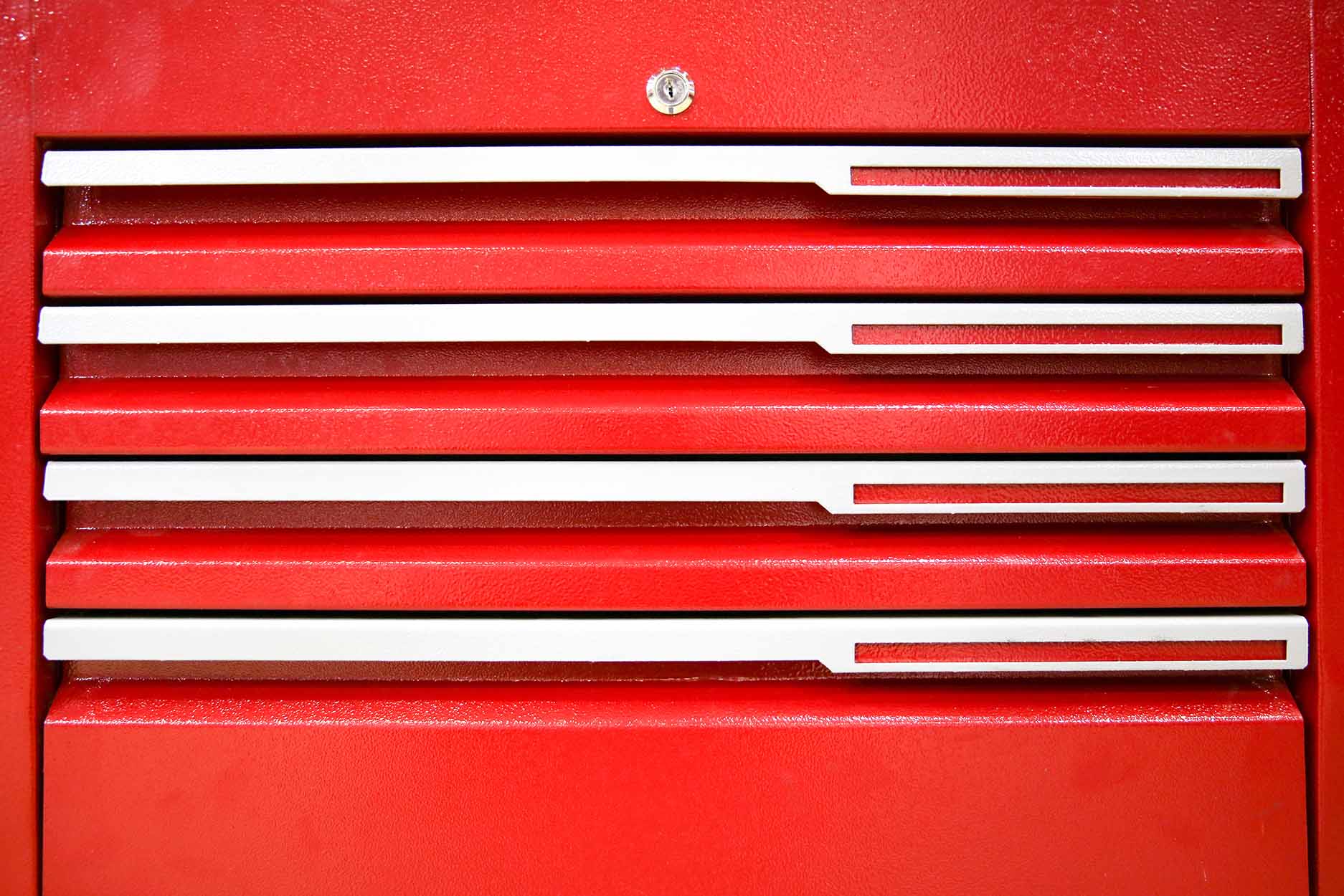
The Complete Tool Storage and Organization Guide
Storing tools the right way makes life easier. Tool storage cabinets, tool chests and lockers are just the beginning to storage and organization.



The information contained in this article is intended for general information purposes only and is based on information available as of the initial date of publication. No representation is made that the information or references are complete or remain current. This article is not a substitute for review of current applicable government regulations, industry standards, or other standards specific to your business and/or activities and should not be construed as legal advice or opinion. Readers with specific questions should refer to the applicable standards or consult with an attorney.


CONNECT WITH US




SIGN UP FOR EMAIL
Get more great content in your inbox.