



What Safety Shoes Are Best for Construction, Healthcare and Other Industries?
By Grainger Editorial Staff 2/25/26
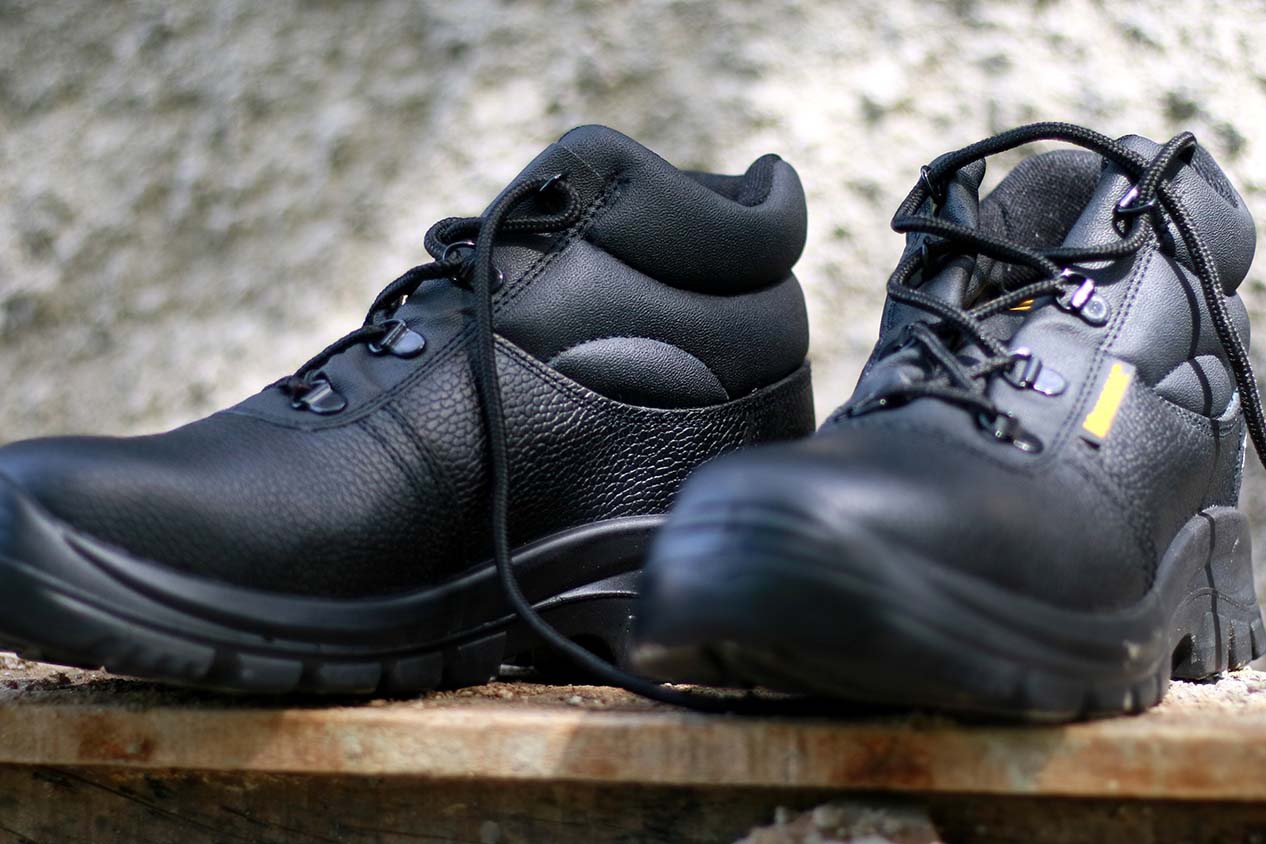
Different jobs call for different safety shoes—what works in healthcare might not cut it in construction or metalworking. This guide highlights key footwear features by industry to help you choose the right protection, from slip resistance to metatarsal guards.
Safety footwear must meet standards far above the average shoes and boots. The right pair can help protect workers’ feet from impacts, chemicals, electric shocks, punctures and other hazards. But different industries and work environments call for different footwear. Learn more about the safety shoes that help get jobs done across the globe and what to look out for the next time you or your team need to buy the perfect pair.
Healthcare Safety Shoes
Slip-resistant soles can be important for healthcare professionals. Smooth floors undergoing regular cleaning create the potential for slipping—as does the possibility of spills. But beyond choosing the right level of slip resistance for their environment, healthcare workers also should make sure they’re buying shoes that are comfortable and supportive. Long shifts on their feet all day require nothing less.
Best healthcare safety shoe features: Slip resistance, comfort and support
Metalworking Safety Shoes
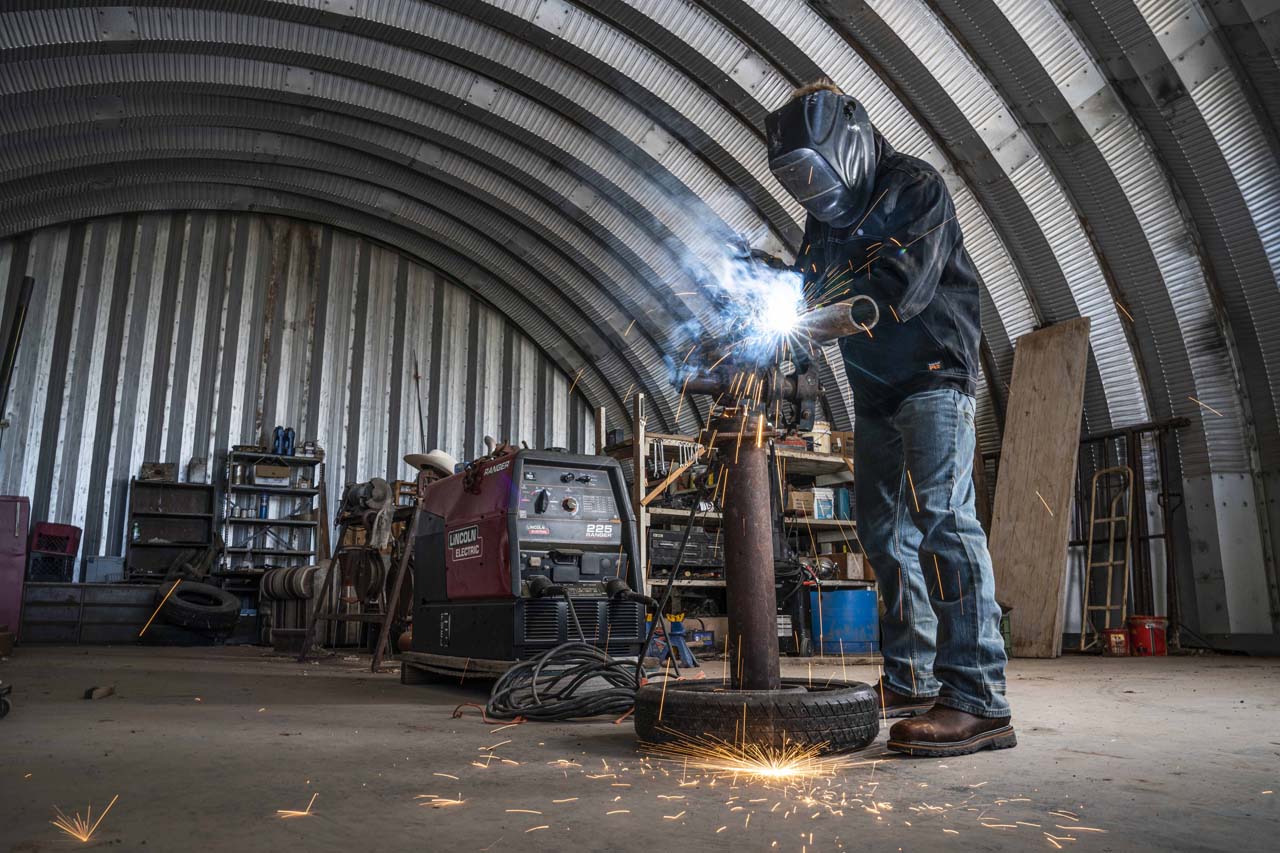
Bring on the safety toes. Objects that can fall or roll onto the foot are a common hazard in this industry, and metal isn’t known for being lightweight. Depending on the job, this worker might need footwear that offers not only impact and compression resistance but also puncture resistance, electrical hazard protection and metatarsal guards. And in any metalworking environment, a full boot that covers six to eight inches of the ankle can be a smart idea.
Best metalworking safety shoe features: Safety toe, puncture resistance, electrical hazard protection, metatarsal guard, full boot
First Responder Safety Shoes
What makes a great safety shoe for a first responder will depend on their work and the hazards involved. Firefighters, emergency medical technicians, police officers and other first responders routinely need protection against many hazards and should look into safety toes, puncture resistance and slip-resistant components that can offer good traction. And while they might not work for every job, lighter-weight footwear that are easier to move in can be a plus when workers need to be able to hit the ground running.
Best first responder safety shoe features: Depends on hazards; generally safety toe, puncture resistance and slip resistance
Oil and Gas Safety Shoes
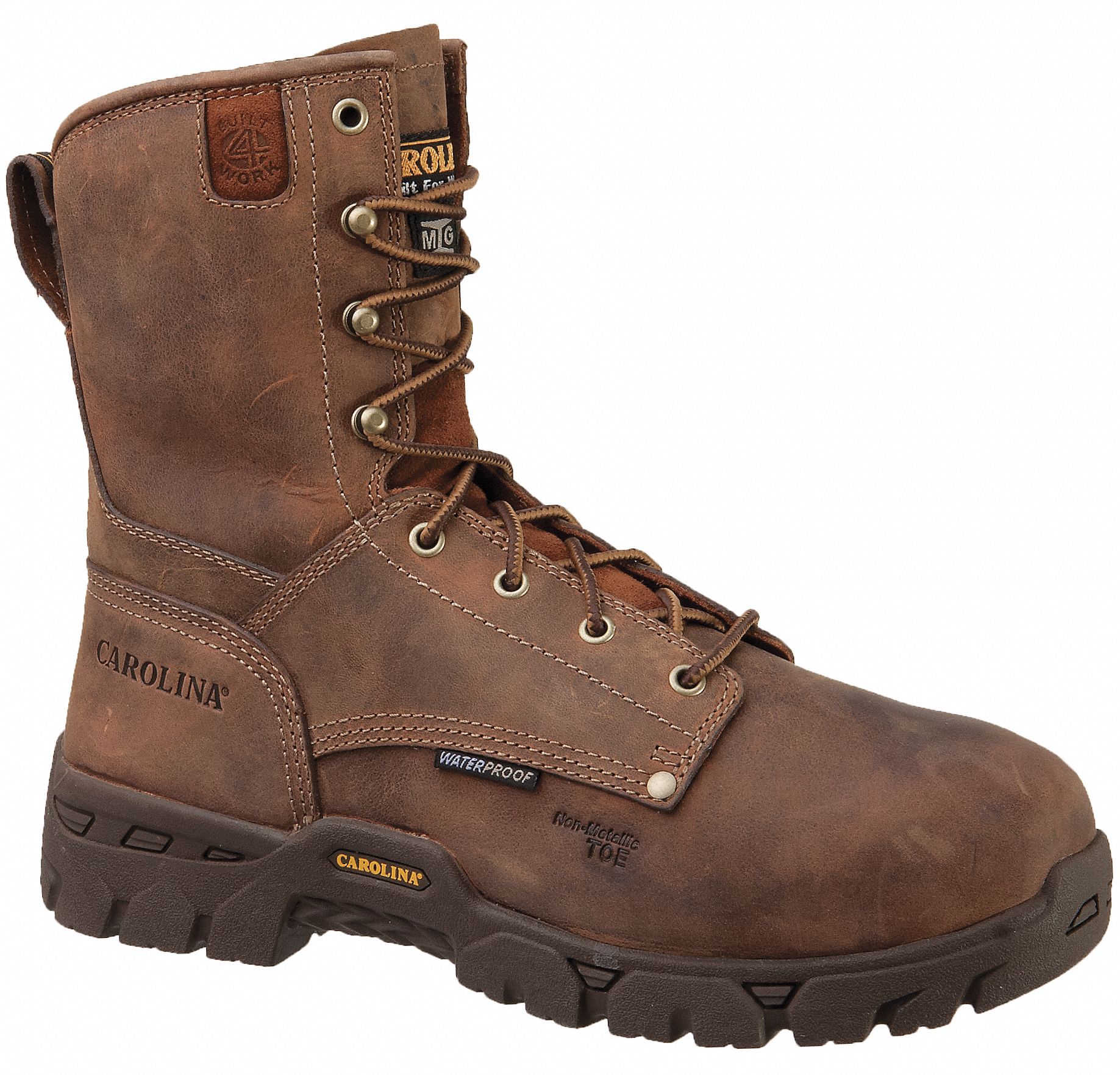
Safety shoes for oil and gas industry workers are more straightforward, but they can have more components at play. These workers should consider safety toes, metatarsal protection, electrical hazard protection and slip resistance. Waterproofing is another concern if there is rain or water at an outdoor job site, since moisture inside the shoe can lead to discomfort and even trench foot, a serious health condition.
Best oil and gas safety shoe features: Safety toe, metatarsal protection, electrical hazard, slip resistance and waterproofing
Construction Safety Shoes
Construction workers often need to consider the same characteristics as those in oil and gas, like toe protection, slip resistance, puncture resistance and electrical hazard protection, because anyone on a job site can potentially be exposed to an electrical hazard.
Best construction safety shoe features: Safety toe, metatarsal protection, slip resistance, puncture resistance and electrical hazard
Warehousing Safety Shoes
Although warehouse workers can wear lighter-weight shoes, safety toes are necessary in case of impact or compression hazards. That said, there are sneaker-like options for warehousing that are comfortable and supportive on flat surfaces but have protective safety toes.
Best warehousing safety shoe features: Safety toe, comfort, support and static dissipation
Safety from the Ground Up
Safety footwear is just one step in the right direction. Find out more about managed footwear and other safety services.
PPE in the Workplace
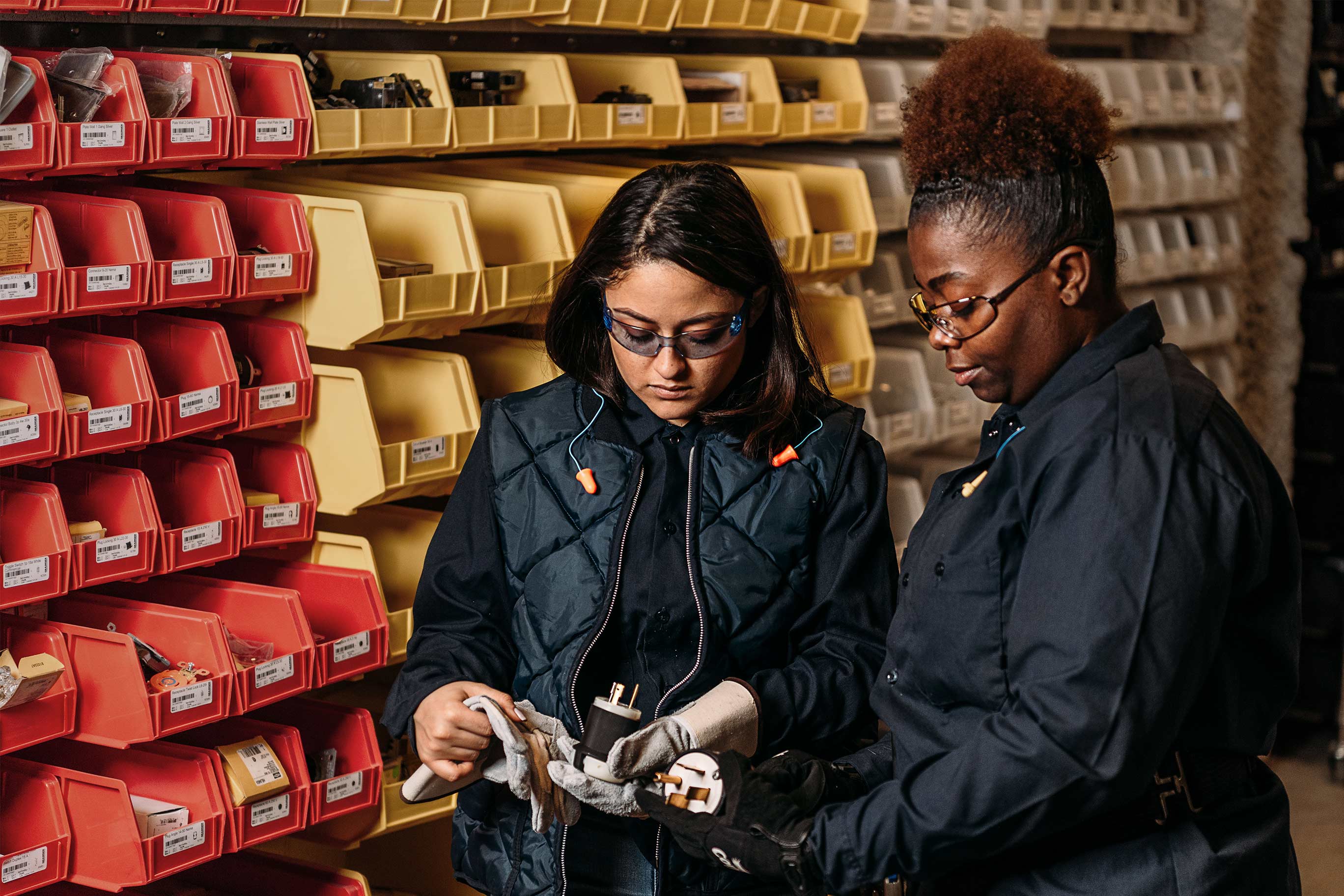
Gender-Specific PPE: Finding PPE Fit for Women
Learn why properly fitting PPE for women helps improve safety, comfort and compliance and how employers can support access to gear that fits.
![]() Our Latest KnowHow
Our Latest KnowHow
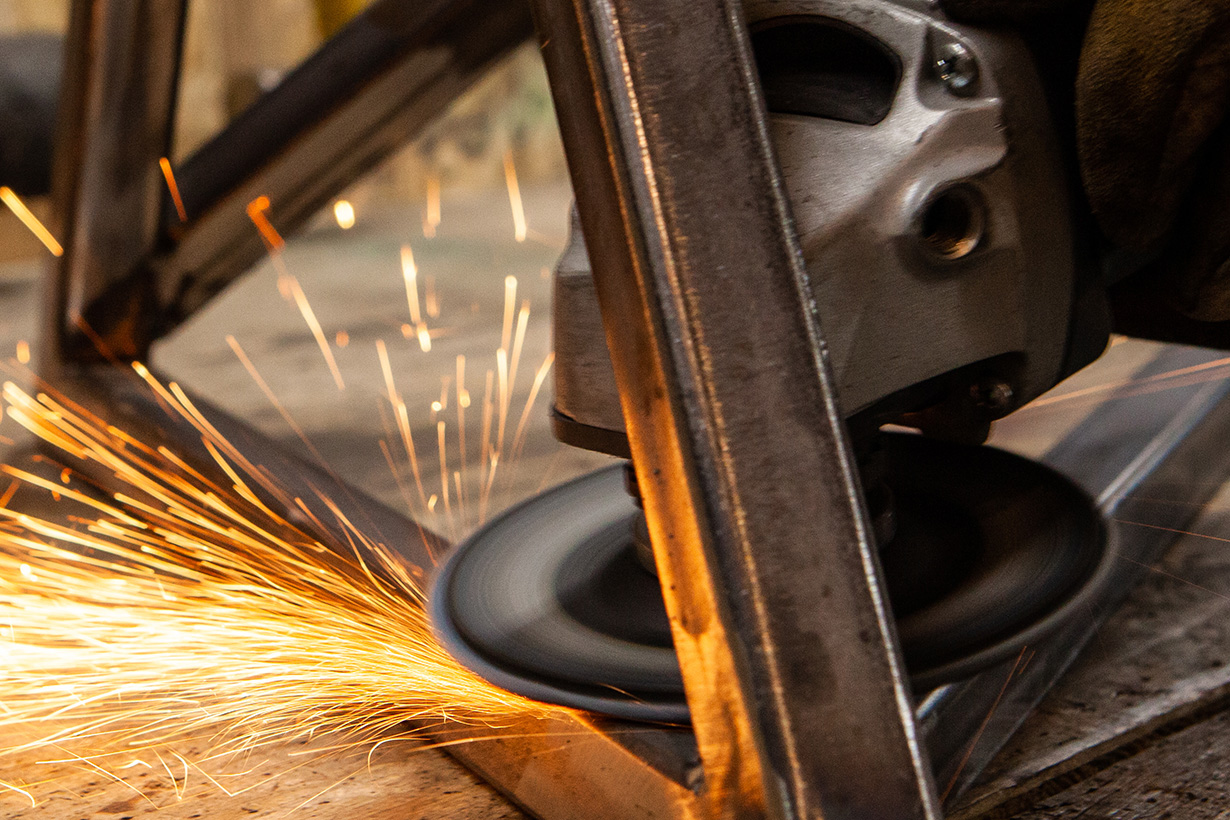
The Complete Tool Storage and Organization Guide
Storing tools the right way makes life easier. Tool storage cabinets, tool chests and lockers are just the beginning to storage and organization.


The information contained in this article is intended for general information purposes only and is based on information available as of the initial date of publication. No representation is made that the information or references are complete or remain current. This article is not a substitute for review of current applicable government regulations, industry standards, or other standards specific to your business and/or activities and should not be construed as legal advice or opinion. Readers with specific questions should refer to the applicable standards or consult with an attorney.


CONNECT WITH US




SIGN UP FOR EMAIL
Get more great content in your inbox.