


Common ADA Facility Violations and How to Avoid Them
By Grainger Editorial Staff 2/17/26
ADA ensures equal access for people with disabilities. Common violations include inaccessible entrances, steep ramps, missing or incorrect signage, no accessible parking or restrooms, and obstructed fixtures. Noncompliance can incur significant penalties. Here are some common scenarios and sources to help your compliance efforts.
The ADA, or Americans with Disabilities Act, is intended to make sure that people with disabilities have the same opportunities as everyone else. An important part of this is making sure that buildings and the built environment around them aren't preventing people with disabilities from going to work or accessing goods and services.
Below are some common violations of the ADA. Keep them in mind – they may help you identify challenges and opportunities at your facility or location. Some of these problems may have immediate solutions, while others may require long-term planning and adjustments. Also, remember that new problems may arise unexpectedly when there are permanent or temporary changes to a facility.
However, because cited violations of this federal law can cost up to $75,000 for first-time violations and $150,000 for subsequent ones, addressing any issues is important for businesses as well as their employees and customers.
ADA violations are commonly cited when:
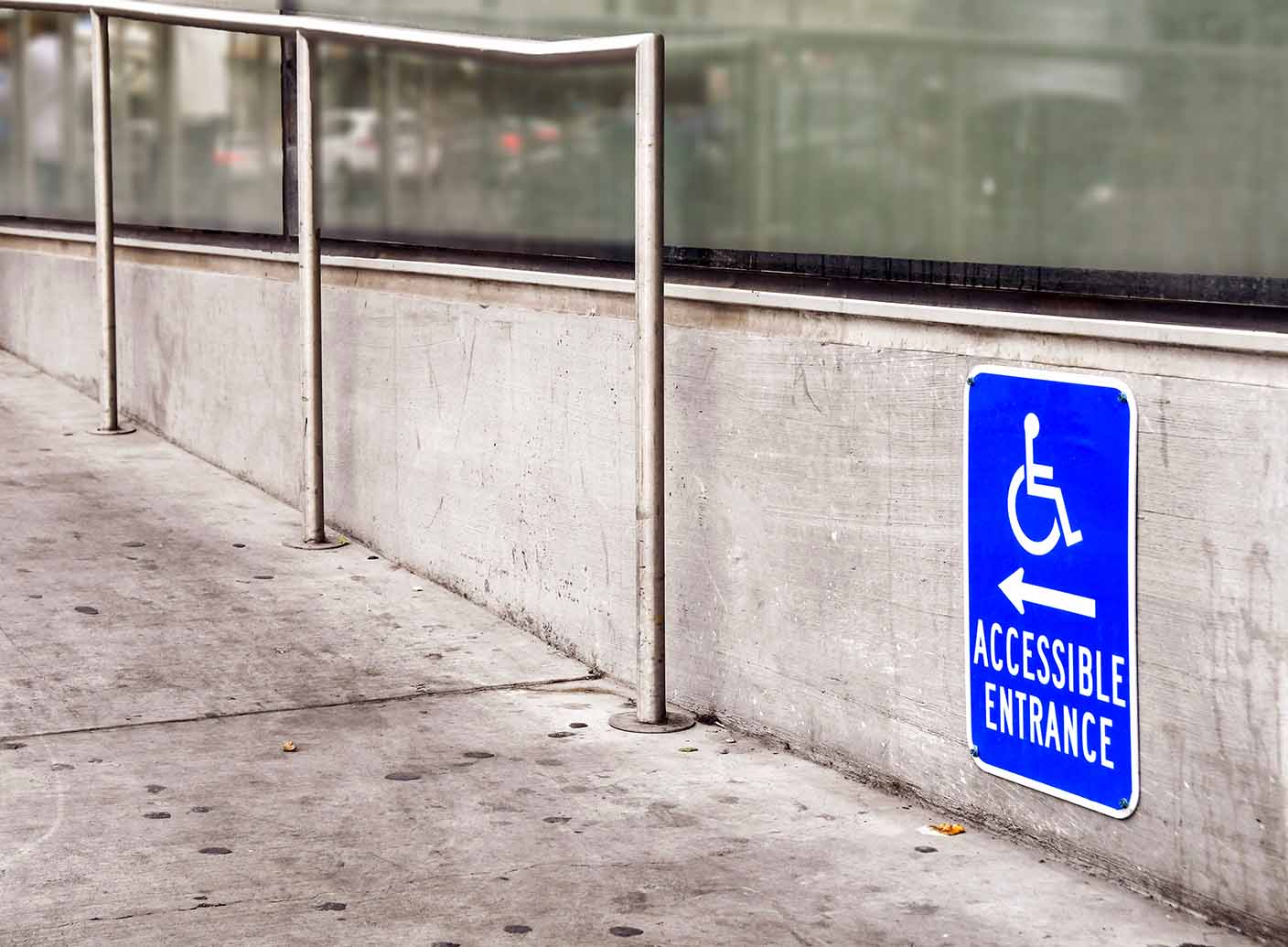
- The building doesn't have an accessible entrance or exit
- Ramps to the building or curb are too steep
- ADA signage is missing or incorrect
- There are no accessible parking spaces
- There's no accessible restroom
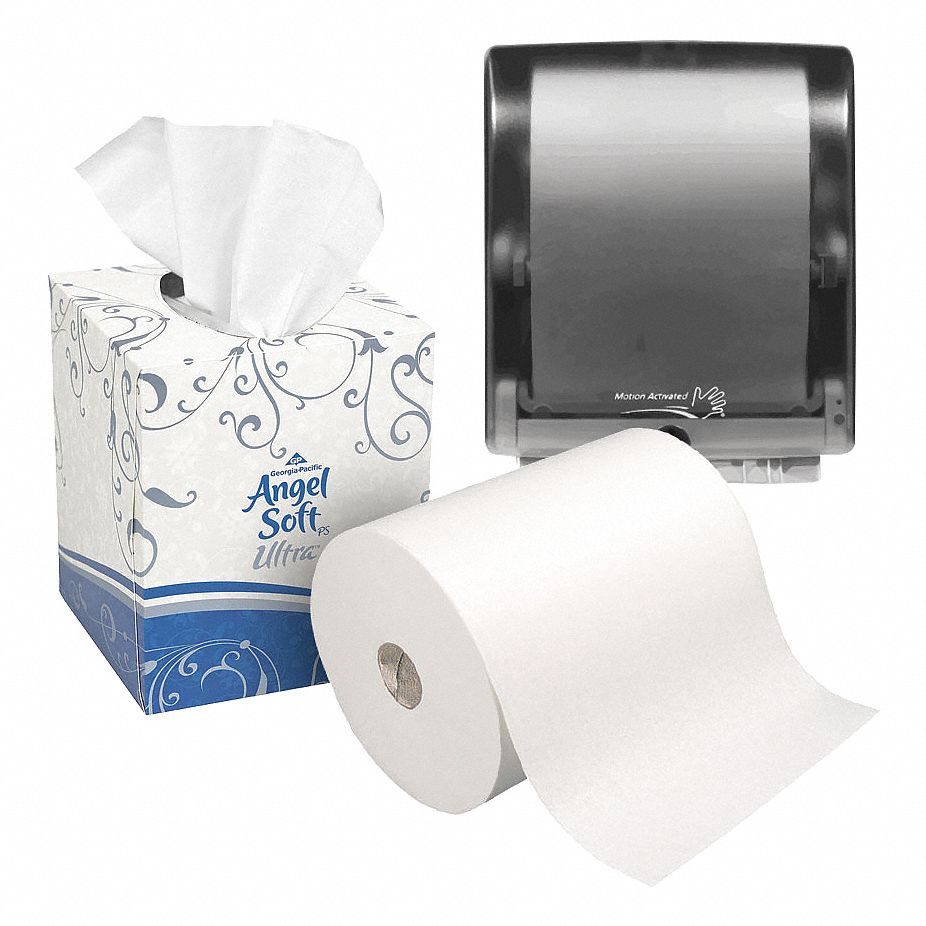
- Equipment or fixtures interfere with restroom accessibility (e.g., toilet handles on incorrect side, incorrect height of sinks or towel dispensers)
- There isn't enough accessible seating in the building
- The staff isn't aware of policies and protocols around accessibility
While guidance on ADA requirements is easy to find, it may take time to understand the specific implications for you. To help you get started on the next steps, here are some immediate tips:
- Parking: Check that there is van access, access to curb ramps and other related requirements, and the necessary number of parking spaces.
- Seating: Provide accessible or adjustable seating in waiting rooms and other public areas.
- Building entrance and exit: Clear access and correct ramp slopes and signage.
- Signage: Ensure the correct height of signage, and periodically check that no changes in the building result in incorrect signage. For example, update signs in Braille.
- Restrooms: Verify and adjust access to, and in, the restroom, including proper installation of fixtures, and make sure there are no objects blocking entry and exit.
- Staff training: Update and communicate protocols, such as allowing service animals.
As always, be sure to consult the ADA resources available from the U.S. Department of Justice. By being aware of the ADA requirements, you will not only maintain compliance but also help create an inclusive environment for those at your facility.
PPE in the Workplace
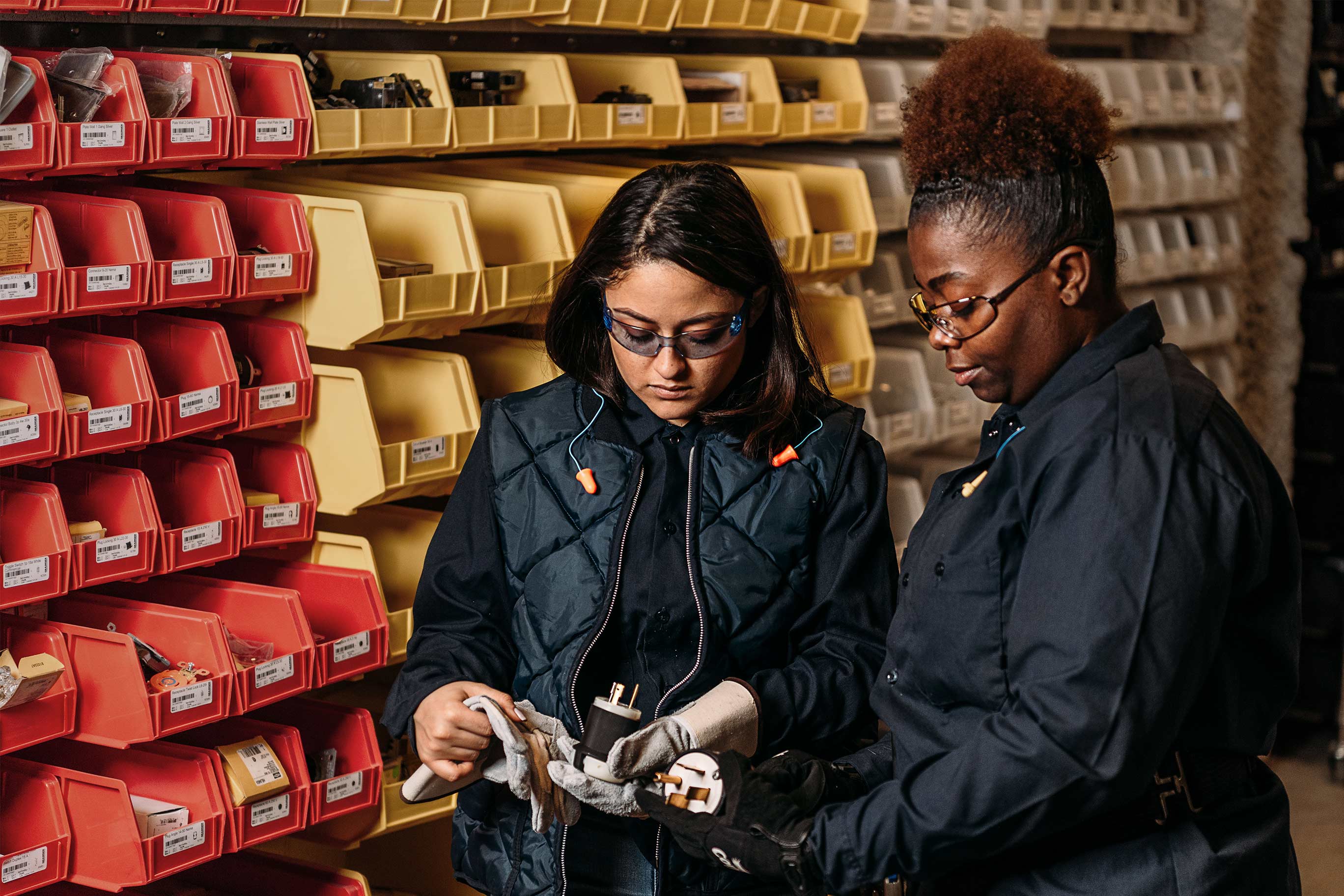
Gender-Specific PPE: Finding PPE Fit for Women
Learn why properly fitting PPE for women helps improve safety, comfort and compliance and how employers can support access to gear that fits.
![]() OUR LATEST KNOWHOW
OUR LATEST KNOWHOW
Equipment
The Complete Tool Storage and Organization Guide
Storing tools the right way makes life easier. Tool storage cabinets, tool chests and lockers are just the beginning to storage and organization.


The information contained in this article is intended for general information purposes only and is based on information available as of the initial date of publication. No representation is made that the information or references are complete or remain current. This article is not a substitute for review of current applicable government regulations, industry standards, or other standards specific to your business and/or activities and should not be construed as legal advice or opinion. Readers with specific questions should refer to the applicable standards or consult with an attorney.


CONNECT WITH US




SIGN UP FOR EMAIL
Get more great content in your inbox.