



Floor Marking Guide: Tape, Shapes and OSHA Best Practices
By Grainger Editorial Staff 9/17/25
Learn how floor marking systems with tape, shapes and color codes can help organize work areas, support OSHA requirements and promote a safer, more efficient workplace. By highlighting hazards and pathways, these systems ensure compliance and help keep workers protected.
Floor marking is one of the simplest ways to make a facility safer and easier to navigate. It helps people navigate aisles without guessing, indicates where equipment belongs and calls attention to hazards that might otherwise go unnoticed. OSHA requires permanent aisles and passageways to be “appropriately marked” under 29 CFR 1910.176, but it does not specify what kind of material to use. That is why so many facilities use floor marking tape. It's fast to apply, easy to maintain and can withstand tough environments when you choose the right type.
Beyond compliance, floor marking also supports lean manufacturing and 5S organization. Visual cues help reduce inefficiencies, improve workflow and make it clear where things go. A consistent system can make a big difference in how a facility operates day-to-day.
Color Standards and Best Practices
OSHA 29 CFR 1910.144 specifies two required floor marking colors:
- Red = “Danger” or “Stop.” Red should mark fire-related hazards, emergency stops, or areas where immediate action is required.
- Yellow = “Caution.” Yellow should be used to identify physical hazards and areas where caution is needed.
OSHA also requires markings to be at least 2 inches wide, and aisles at least 4 feet wide or 3 feet wider than the largest equipment. On surfaces such as dirt or gravel, alternatives like cones, barrels or flags may be used if employees are trained in their proper use.
While OSHA does not mandate other colors, many facilities follow the ANSI Z535.1 color standard for consistency. Best practice is to limit the total number of colors so the system remains simple and easy to maintain.
Floor Marking Colors and Common Uses
Beyond OSHA and ANSI requirements, most facilities establish a consistent color system to make markings easy to recognize. The following chart reflects common practices for using floor marking tape across MRO environments.
| Color | Common Use |
|---|---|
|
Yellow |
Aisles, traffic lanes, work zones |
|
Red |
Fire equipment, emergency stops, red tag, defect or scrap areas |
|
Orange |
Materials or products on hold or pending inspection |
|
Green or Blue |
Safety equipment or informational zones |
|
Black and White |
Keep clear for operational reasons (not safety related) |
|
Red and White Stripe |
Keep clear for safety or compliance (front of electrical panels, eyewash stations, fire extinguishers) |
|
Black and Yellow Stripe |
Areas that present a physical or health hazard and require extra caution |
|
Photoluminescent |
Steps or exit routes in low-light or power-out conditions |
Types of Floor Marking Tape
Once a color system is set, the next decision is choosing the right tape for the environment. Durability, traffic levels and surface conditions often determine which tape will work best. The most common options include:
| Tape Type | Common Use | Key Features |
|---|---|---|
|
Extra-Durable |
Warehouses, forklift traffic, industrial plants |
Abrasion-resistant, holds color under heavy use |
|
General Purpose |
Light to medium traffic areas, temporary layouts |
Flexible, easy to apply and remove |
|
Message Tape |
Hazard zones, restricted areas, safety reminders |
Pre-printed text or symbols for clear communication |
|
Visibility Tapes (Glow-in-the-Dark, Reflective) |
Exit routes, dim or emergency conditions |
Improves visibility in low light and during power outages |
|
Traction/Anti-Slip |
Wet or oily areas, ramps, docks |
Textured surface adds grip to help prevent slips and falls |
|
Specialty Tapes (Freezer, Overlaminate, Liner-less) |
Cold storage, high-wear zones, quick installs |
Designed for extreme conditions, added protection or quick application |
These tapes are available in patterns such as solid, striped, arrows, chevrons, checkered and printed messages. Adhesives range from rubber, which is strong yet removable, to acrylic, which is permanent and can resist chemicals, heat and UV light.
Shapes that Reinforce Safety
Precut shapes are another tool facilities use to strengthen safety systems and improve organization. When combined with tape, shapes can help create clear visual cues for storage, movement and safety zones, including:
- Arrows: show direction for pedestrians or vehicle traffic
- Footprints: mark safe walking routes
- Corners, T’s, and Crosses: define storage areas or equipment placement
- Rectangles, Circles and Squares: outline workstations or waiting areas
- Octagons and Pedestrian icons: signal stop points or designate standing zones
Shapes are typically made from durable vinyl and are available in solid, striped and message styles to match the tape system.
Applicators and Installation
Floor marking tape applicators help make installation faster and more ergonomic since tape can be applied while walking upright. Manual applicators work well for small projects or quick fixes, whereas walk-behind applicators are designed for longer aisles and larger facilities.
Maintenance and Replacement
Even the strongest tape wears with time and traffic. Inspections should be built into routine walkthroughs, and tape that is peeling, faded or missing should be replaced. Review layouts whenever workflows, equipment or safety requirements change. Keeping markings visible and in good condition helps support compliance and reduce risks.
Floor marking systems help create safer, more organized and more efficient facilities. By following OSHA guidance, applying ANSI color codes and using tapes, shapes and applicators that match your environment, you can build a system that supports compliance and day-to-day productivity.
Frequently Asked Questions
Yes. OSHA requires aisles and passageways to be marked, but does not specify the material, so tape is compliant when maintained properly.
Most facilities use 4 to 6 colors to keep the system simple and effective. OSHA does not specify a number, but using fewer colors improves recognition and keeps systems easier to maintain.
Longevity depends on tape type, traffic levels and cleaning practices. Extra-durable tapes are abrasion-resistant, built for warehouses with heavy traffic and can last for years with proper maintenance. General-purpose or removable tape fit lighter traffic or temporary layouts and may need more frequent replacement.
Yes. Anti-slip tape provides traction in wet or oily areas, while outdoor-rated or freezer tapes are designed to withstand moisture, UV exposure and temperature fluctuations.

PPE in the Workplace
Gender-Specific PPE: Finding PPE Fit for Women
Learn why properly fitting PPE for women helps improve safety, comfort and compliance and how employers can support access to gear that fits.

![]() Our Latest KnowHow
Our Latest KnowHow
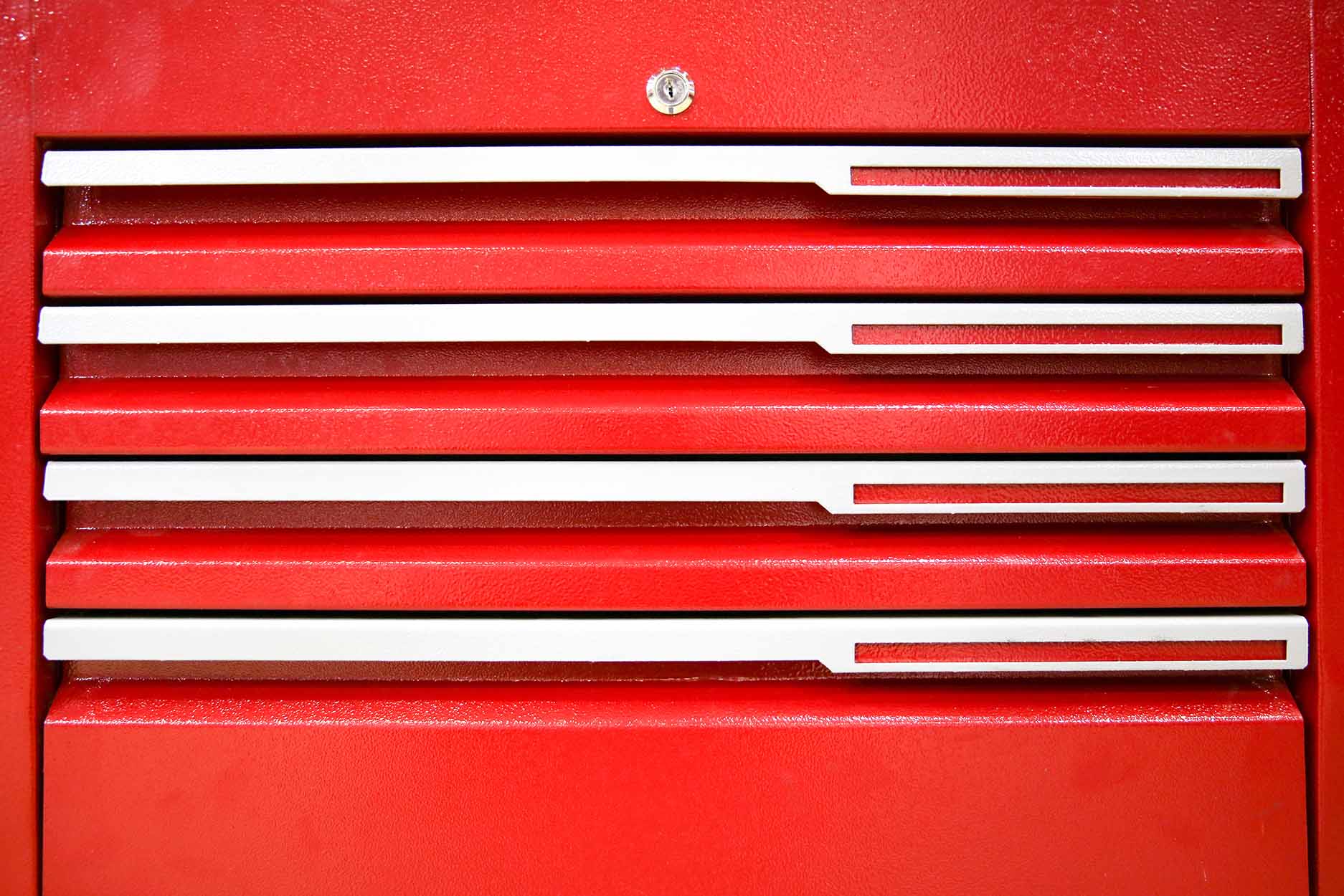
The Complete Tool Storage and Organization Guide
Storing tools the right way makes life easier. Tool storage cabinets, tool chests and lockers are just the beginning to storage and organization.



The information contained in this article is intended for general information purposes only and is based on information available as of the initial date of publication. No representation is made that the information or references are complete or remain current. This article is not a substitute for review of current applicable government regulations, industry standards, or other standards specific to your business and/or activities and should not be construed as legal advice or opinion. Readers with specific questions should refer to the applicable standards or consult with an attorney.


CONNECT WITH US




SIGN UP FOR EMAIL
Get more great content in your inbox.