


4 Tips for Preventing Corrosion
By Grainger Editorial Staff 4/15/22
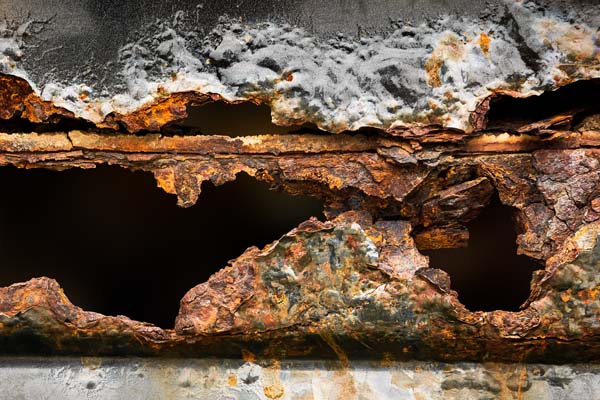
Corrosion is the deterioration of metals due to oxidizing, most commonly seen as rust. Understanding the environmental conditions that can lead to corrosion of metal is key to prevention.
How Corrosion Happens
For a metal to corrode, three elements must be present: moisture, metal and an electron acceptor such as oxygen. When moisture comes into contact with iron, a chemical reaction immediately begins to take place that quickly oxidizes the iron, turning the iron into iron-oxide (the chemical name for rust). While iron is the most reactive metal, and therefore corrodes faster than most, all metals are susceptible to oxidation.
Corrosion Prevention
Preventing corrosion requires the removal of one of the contributing components, the simplest of which is the metal surface. Coating the metal with paint or enamel prevents the metal from exposure to oxygen, thus preventing corrosion.
Galvanizing, according to the American Galvanizers Association, is the process by which a metal, like iron, is coated with another metal, such as molten zinc. This coating, often referred to as sacrificial metal, protects the underlying metal from the factors that cause corrosion. The sacrificial metal corrodes instead, leaving the unexposed metal intact. The galvanizing agent should last for a long time if done correctly; however, it will eventually corrode away, leaving the original metal again exposed and in need of a fresh galvanized coat.
Corrosion Protection in Your Facility
Many of the tools and machines in your shop or facility are made of metal and are susceptible to corrosion. A few small changes can help reduce the likelihood of corrosion in your shop, thus preserving your equipment and helping your organization save money.
1. Seal Your Tools
Storing tools in a sealed tool chest can help keep them from moist conditions on the floor of your plant. Also try adding a moisture absorbent to your tool box such as chalk or dessicant bags to help keep the chest conditions as dry as possible.
2. Dehumidify
A humid environment increases moisture in the air and could expose your tools to corrosive elements.
If your shop runs on the humid side, try installing a dehumidifier to make for a less rust-friendly environment. This is especially helpful if you have large, metal equipment that cannot be moved or sealed.
3. Use a Corrosion Inhibitor
Galvanizing has been made easy with the availability of cold corrosion inhibitors. It is applied like a paint, but has all the same protection as heated galvanizing performed on galvanized products before they leave their manufacturing plants.
4. Keep It Clean
Excess dust can accelerate the corrosion process in your facility. This is because dust absorbs water. Dust particles that settle on your equipment invite water to come into contact with their metal surfaces and accelerate corrosion. Be sure to clean metal equipment regularly to prevent dust-activated corrosion.
Corrosion is an inescapable truth for anyone using metal. But knowing how it happens is the key to running interference on rust. Exposed surfaces are vulnerable, so treat them if you can. Reducing or eliminating water and moisture will greatly inhibit corrosion and help to slow it down to a manageable, preventable pace.
Get more tips on your tools and equipment here.

PPE in the Workplace
Footwear Beyond the Work Boot
Footwear programs are about a lot more than just boots. Make sure you're in the know when it comes to socks, traction, guards and more.
![]() Our Latest KnowHow
Our Latest KnowHow

What Are All of Those Gadgets on a Multitool?
This article features the different categories of multitools and explains the many uses for each type.
The information contained in this article is intended for general information purposes only and is based on information available as of the initial date of publication. No representation is made that the information or references are complete or remain current. This article is not a substitute for review of current applicable government regulations, industry standards, or other standards specific to your business and/or activities and should not be construed as legal advice or opinion. Readers with specific questions should refer to the applicable standards or consult with an attorney.


CONNECT WITH US




SIGN UP FOR EMAIL
Get more great content in your inbox.